
Mental Wellness in Law Enforcement: Helping Minneapolis Police Cope with PTSD
Mental Wellness in Law Enforcement: Supporting Minneapolis Police Officers Living with PTSD
Learn how early mental health support, evidence-based care, and resilience strategies can help Minneapolis police officers manage PTSD and prioritize long-term emotional well-being.
Why Mental Health Matters in Law Enforcement
Serving as a police officer requires courage, quick decision-making, and resilience under pressure. However, repeated exposure to traumatic events, critical incidents, and high-stress situations can affect emotional and psychological well-being over time.
For some officers, these experiences may contribute to Post-Traumatic Stress Disorder (PTSD), a mental health condition that can affect sleep, concentration, mood, relationships, and overall quality of life. Recognizing the signs early and seeking professional support can make a meaningful difference.
At Pinnacle Behavioral Healthcare, we believe that caring for the mental health of law enforcement professionals is just as important as supporting their physical safety.
Understanding PTSD in Police Officers
Police officers routinely encounter situations that most people never experience, including accidents, violence, life-threatening emergencies, and the loss of life. While many officers develop healthy coping strategies, repeated exposure to trauma may increase the risk of developing PTSD or other stress-related mental health conditions.
PTSD symptoms can vary from person to person and may include:
- Intrusive memories or flashbacks
- Difficulty sleeping or frequent nightmares
- Increased anxiety or hypervigilance
- Irritability or changes in mood
- Emotional numbness
- Difficulty concentrating
- Avoiding reminders of traumatic events
Experiencing these symptoms does not mean someone is weak. PTSD is a recognized mental health condition, and effective treatment options are available.
The Importance of Early Mental Health Support
Early intervention can help officers address symptoms before they begin to interfere with work, relationships, or daily life. Rather than waiting until stress becomes overwhelming, seeking support early may improve long-term emotional well-being.
Mental health support may include:
- Individual psychotherapy
- Psychiatric evaluations
- Medication management when appropriate
- Stress management strategies
- Ongoing mental health monitoring
Speaking with a qualified mental health professional is a proactive step toward maintaining resilience throughout a law enforcement career.
Creating a Culture That Supports Mental Wellness
Reducing stigma around mental health is essential in law enforcement. Officers should feel comfortable seeking help without fear of judgment.
Departments can help foster a healthier workplace by encouraging:
- Confidential access to mental health services
- Peer support programs
- Wellness education
- Leadership that openly supports mental health
- Routine mental wellness check-ins
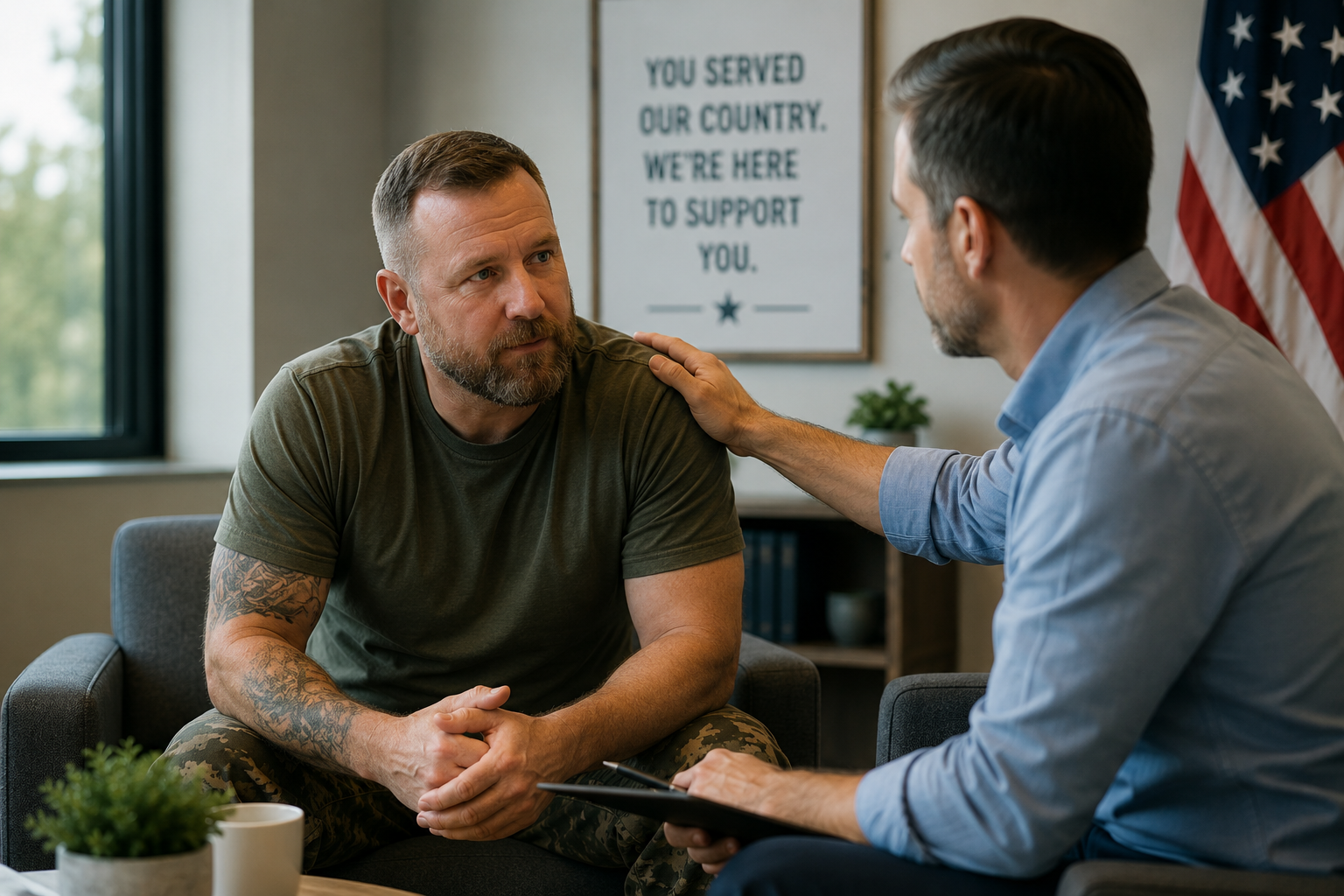
When mental health is treated with the same importance as physical health, officers are more likely to seek support when they need it.
Prioritizing Recovery and Daily Well-Being
Although police work is demanding, healthy daily habits can support emotional resilience. Small lifestyle changes often complement professional treatment and contribute to overall wellness.
Helpful habits include:
- Prioritizing consistent sleep
- Engaging in regular physical activity
- Maintaining healthy nutrition
- Spending time with supportive family and friends
- Practicing healthy stress management techniques
- Taking scheduled time off when appropriate
These habits are not replacements for professional care, but they can play an important role in supporting mental health.
Building Resilience Through Professional Support
Resilience is not about ignoring stress—it is about learning healthy ways to respond to it. Mental health professionals can teach practical coping skills that help officers navigate difficult experiences while protecting their emotional well-being.
These strategies may include:
- Mindfulness techniques
- Controlled breathing exercises
- Cognitive coping strategies
- Emotional regulation skills
- Healthy communication techniques
Developing these skills can help officers manage ongoing workplace stress more effectively.
How Pinnacle Behavioral Healthcare Can Help
Our experienced providers work closely with each patient to develop personalized treatment plans that may include psychotherapy, psychiatric evaluations, medication management, and other appropriate services based on individual needs.
If you’re a police officer, first responder, or public safety professional seeking support, we’re here to help you take the next step toward better mental wellness.
Frequently Asked Questions
Can police officers develop PTSD from repeated exposure to trauma?
Yes. Repeated exposure to traumatic events may increase the risk of developing PTSD or other stress-related mental health conditions. A qualified healthcare provider can perform an evaluation and recommend appropriate treatment.
Is it normal for officers to seek mental health support?
Absolutely. Seeking professional mental health care is a proactive way to manage stress, process difficult experiences, and support long-term well-being.
What treatments are available for PTSD?
Can PTSD symptoms improve with treatment?
When should someone seek professional help?
If symptoms begin affecting work performance, relationships, sleep, or daily functioning, it’s important to speak with a qualified mental health professional for an evaluation.
Take the First Step Toward Better Mental Wellness
Serving your community shouldn’t mean facing emotional challenges alone. Whether you’re experiencing symptoms of PTSD, ongoing stress, anxiety, or emotional exhaustion, compassionate support is available.
Contact Pinnacle Behavioral Healthcare today to schedule a confidential consultation and learn more about personalized mental health services for police officers, first responders, and other professionals experiencing the effects of trauma.