





Medication Management
In-person visits and secure telehealth appointments with providers who can prescribe medication, track your progress, and adjust your plan whenever it's needed.
View Service
Providing cutting-edge mental health treatment plans and psychiatric services for patients of every age.
Welcome our New Psychotherapist
Dara Awosika
MSW, LICSW



Accurate diagnosis of mental health disorders can be difficult. At Pinnacle, we use the most advanced technology and techniques to ensure an accurate diagnosis. We believe that the best way to treat mental illness is to first get a precise understanding of the individuals’ unique needs.
Schedule Consultation
In-person visits and secure telehealth appointments with providers who can prescribe medication, track your progress, and adjust your plan whenever it's needed.
View ServiceA private, supportive space to work through what's on your mind, with a therapist who builds the plan around your goals rather than a one-size-fits-all script.
View ServicePinnacle TMS is a non-invasive, FDA-cleared, non-drug treatment for adults with major depressive disorder, including depression with anxiety symptoms, and an adjunct treatment for adult OCD. It is also cleared as an adjunct for ages 15 to 21 with depression. Your clinician will determine whether TMS is right for you.
View ServiceA supervised in-office treatment option for adults with depression that hasn't responded to standard medication approaches.
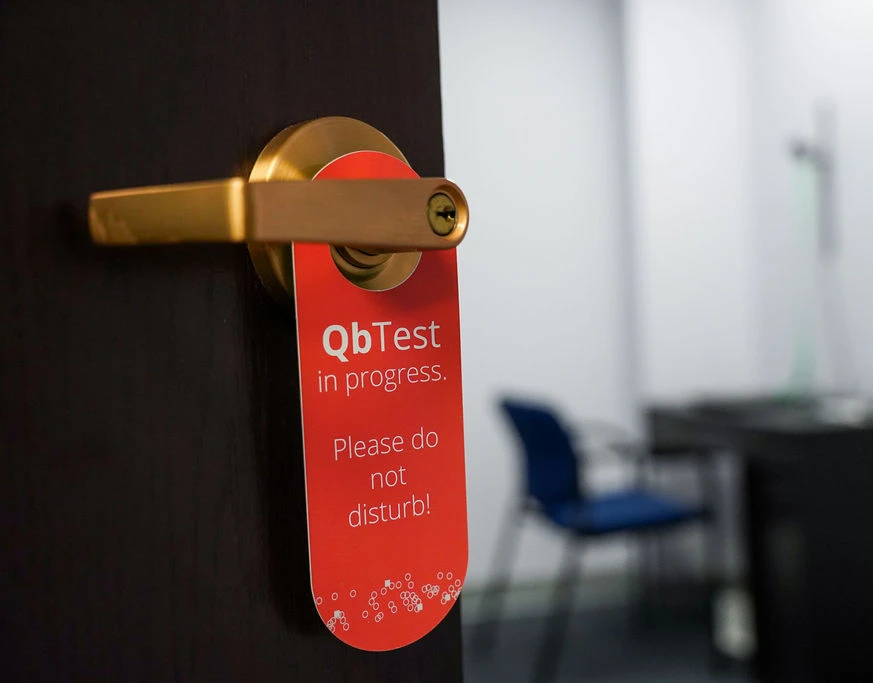
View ServiceA structured evaluation that measures attention and activity levels to support an accurate ADHD diagnosis in teens and adults.
View Service
We’re proud to provide NeuroStar Advanced TMS Therapy to patients.
Learn More About NeuroStar TMSThe Brain User Manual
Covers Salience Network instability, mood stabilizers, circadian anchoring, and treatment planning.
Brain User Manual →Tune • Train • Reset
Covers the three biological systems, daily structure, nutrition, supplements, and setbacks.
Tune-Train-Reset →From Blame to Strategy
Covers GAD, panic disorder, social anxiety, CBT and medication options.
Blame To Strategy →
Exceptional Care by Compassionate People. We are dedicated to providing the highest quality mental healthcare services. We offer a full range of psychiatric services, from medication management to treatment options for depression and ADHD diagnostic testing.
Contact Us





June 2026
Military service demands courage, discipline, and sacrifice. However, while many veterans transition successfully to civilian life, others continue to face mental health challenges long after their service ends.…
Read More
May 2026
Transcranial Magnetic Stimulation (TMS) may be covered by many insurance plans for eligible patients with depression. Learn what insurers typically require and how the approval process works. Understanding…
Read More
May 2026
Explore the key differences between Spravato and IV Ketamine, including FDA approval, administration, eligibility, and how to determine which treatment may be appropriate for you. Understanding Advanced Treatment…
Read More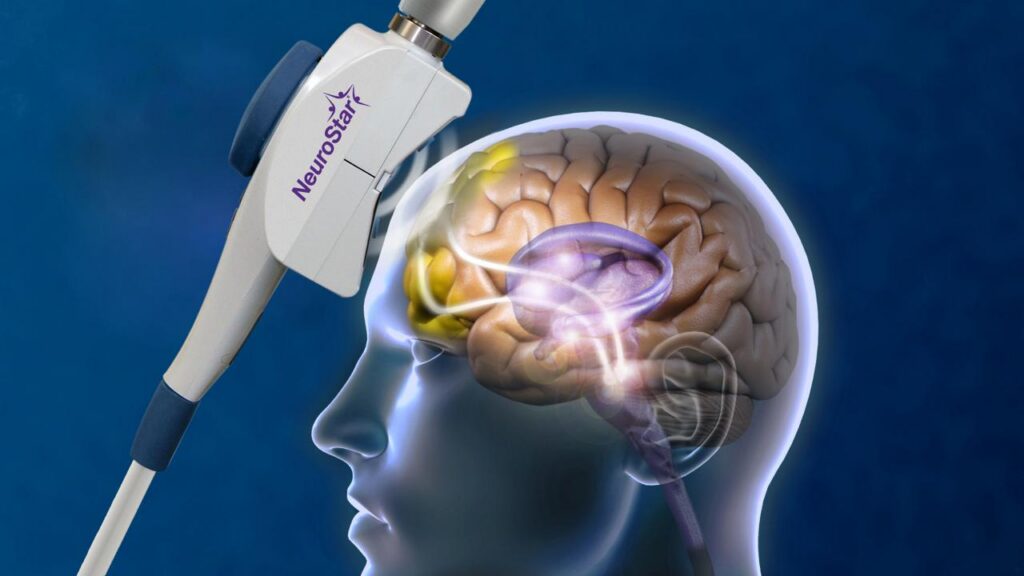
May 2026
Learn how NeuroStar® TMS works, who may be eligible, and why it’s an evidence-based treatment option for adults living with depression. Understanding NeuroStar TMS Depression is more than…
Read More

May 2026
Mental Wellness in Law Enforcement: Supporting Minneapolis Police Officers Living with PTSD Learn how early mental health support, evidence-based care, and resilience strategies can help Minneapolis police officers…
Read MoreWe specialize in treating adults with mental health disorders. Our goal is to help people facing emotional distress reach their greatest potential.
View ServicesDr. Maya Whitfield founded our practice to give patients access to a genuinely high level of mental healthcare, built around real relationships with providers.
Read About UsMap data ©Google